
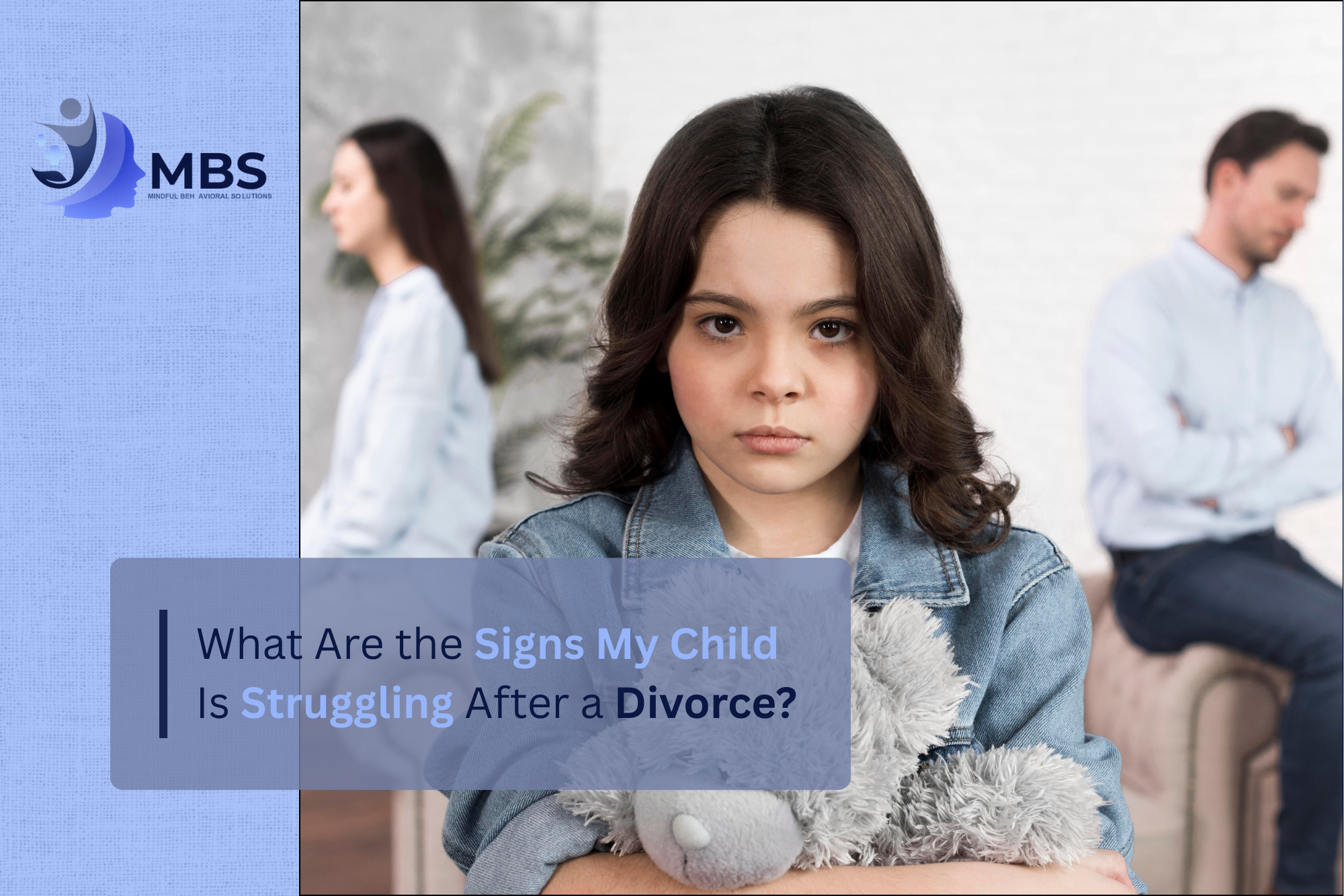
A divorce with children can change family life significantly. Kids may feel sad, scared, or confused. Some children show this right away, while others hide their feelings. You know your child best. If you notice changes after a family break up, trust your gut. Small signs can be important.
Common Signs Your Child Is Struggling
When coping with divorce, children may exhibit various physical and emotional changes:
- Changes in sleep. Your child may wake up at night. They may have bad dreams. Or they may sleep too much.
- Changes in eating. They might eat less or eat more. Food can feel different when kids are upset.
- Mood swings. One minute they smile. The next minute they cry. They may get angry more often.
- Clinginess. Your child may want to stay close to you. They may not want to go to school or to a friend’s house.
- Falls in school. Grades may drop. They may have trouble paying attention.
- Change in play. Kids may play less. Or they may act out with toys in a new way.
- Physical complaints. Headaches, stomach aches, or other aches can start without an illness.
- Loss of interest. Hobbies or favorite things may seem boring to them.
- Regressive behaviors. Younger kids may start bedwetting again or want a bottle.
How Different Ages May Show It
- Toddlers and preschoolers. They may cry more. They may cry when a parent leaves. They may show new fears.
- School-age children. They may say they are sad or mad. They may fight more at home or at school.
- Teens. They may act tough but feel hurt inside. They may pull away from family. They may try risky things.
How You Can Help Right Now
Talking to children about divorce is a process that requires patience. Here is how to handle it:
- Talk simply and kindly. Use short sentences. Tell them it is okay to feel sad. Let them ask questions.
- Keep routines. Bedtime, meals, and school help kids feel safe. Try to keep things steady.
- Listen more than talk. Give them time. Try to hear what they feel without fixing it right away.
- Name feelings. Say, “You look sad.” This helps kids learn words for feelings.
- Let them play. Play helps kids say things they cannot say with words.
- Share small choices. Let them choose a snack or a shirt. Choices give kids control.
- Stay calm. When you seem calm, your child feels calm too.
What Not to Say
Avoid blaming one parent. Do not ask your child to take sides. Do not tell them grown-up details. Kids do not need to hear fights.
When To Seek Professional Help
If your child has big changes for more than a few weeks, get help. Call a doctor or a mental health worker when:
- They have trouble sleeping for many weeks.
- They stop eating for a long time.
- They have bad thoughts about hurting themselves.
- They use drugs or alcohol.
- They hurt others a lot.
- School problems keep getting worse.
These are signs that a child needs support from a trained person.
How Mindful Behavioral Solutions Can Help
We are here to help families in easy, caring ways. Mindful Behavioral Solutions offers two main services that can help your child:
- Mental Health Evaluation. A full check to learn how your child feels. This helps us plan the right care.
- Medication Management. If medicine can help, a trained nurse can explain it. We watch how your child does on medicine and make changes if needed.
Faith Ogala, NP, PMHNP-BC, works with our team. She is a mental health nurse. She is board certified. Faith sees patients in person in Dallas, Texas, and by telehealth. She is licensed in Texas, California, New York, Illinois, and Florida. We make care simple and kind. We will talk with you in plain words and explain each step.
What To Expect from a Visit
At a first visit, we listen. We ask about your child’s sleep, school, friends, and play. We ask what you have tried at home. We explain what we find in easy words. If a test or follow-up is needed, we tell you why.
Tips For Co-Parenting After Divorce
- Keep plans clear. Tell your child who will pick them up and when.
- Show a united front. Try to share basic rules like bedtime and chores.
- Make time to talk. Both parents should make time to listen to the child.
- Avoid fights in front of the child. If things get tense, step away and talk later.
Signs You Are Doing Well
You are helping when your child shows small gains. These may be:
- Better sleep.
- More smiles.
- Return to old play.
- Less anger.
Small steps matter. Praise the good days and keep trying on the hard days.
Final Words
A family divorce is hard for kids, but many do get better with care and time. You do not have to do this alone. If you are worried, reach out. Mindful Behavioral Solutions can provide an evaluation or help with medication when needed. Faith Ogala and our team will walk with you kindly to find small steps forward.
If you want to learn more, call us or book a telehealth visit. We will listen. We will help. We will walk with you.
FAQs
Q. Will my child need medicine?
Not always. Medicine is only used if it can help. We watch your child closely if medicine is used.
Q. Is our visit private?
Yes. We keep your child’s information private and follow the law.
No comment